Compound record · Tissue repair
BPC-157
Also Body Protection Compound-157 · BPC 157 · Bepecin · PL 14736 · Pentadecapeptide BPC
Synthetic pentadecapeptide
Widely sold 'healing peptide' with animal data but no published human trials
Record reviewed 1 September 2026 · 6 references
In the AERVYN range
4 pens carry BPC-157
Single-compound pen
BPC-157
Peptide pen · 10 mg / 3 mL
£170 · In stock
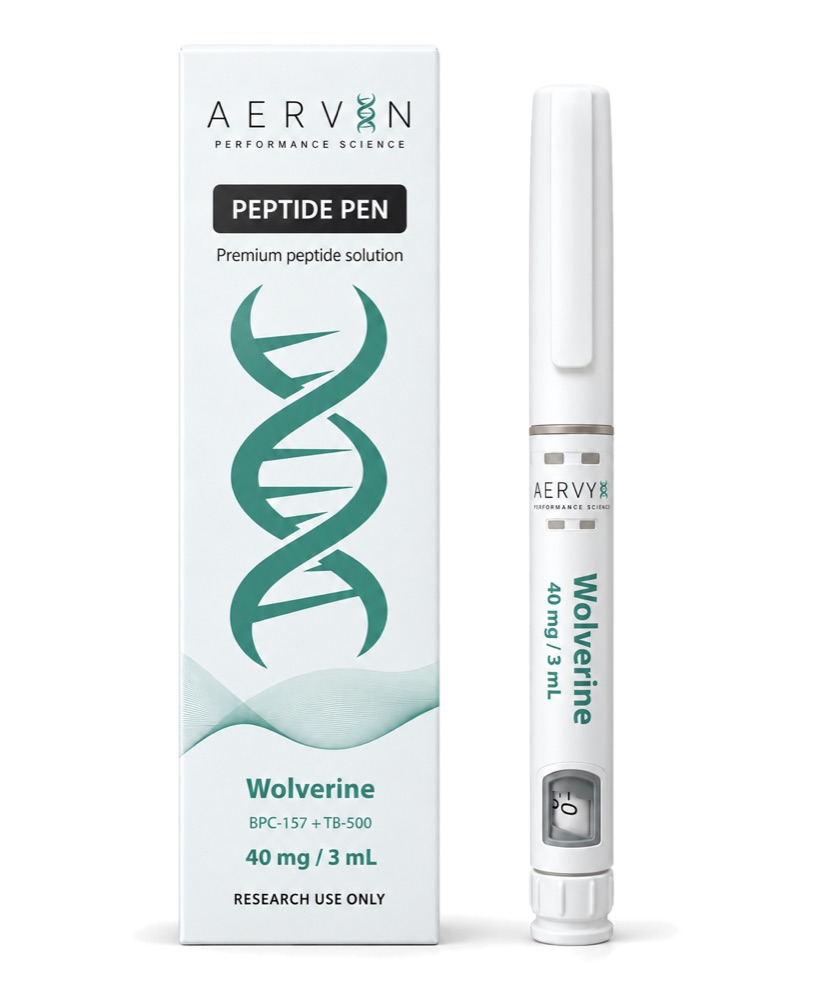
Blend pen
Wolverine
BPC-157 + TB-500 · 40 mg / 3 mL
BPC-157 with TB-500
£235 · In stock
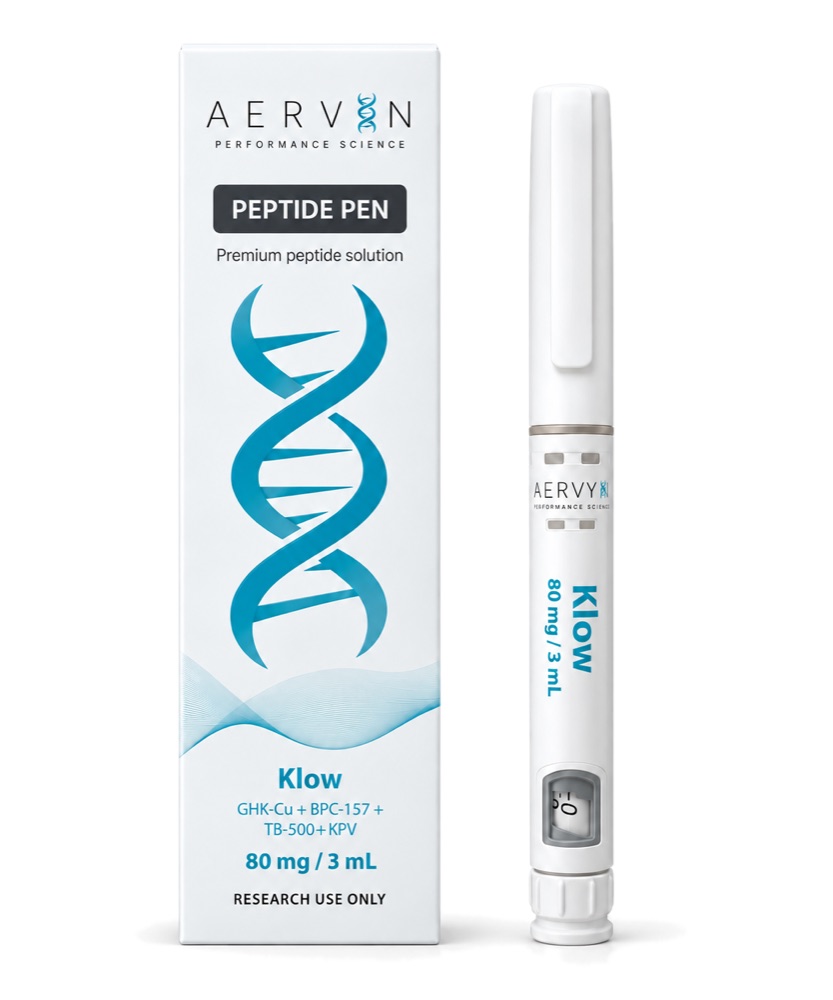
Blend pen
Klow
GHK-Cu + BPC-157 + TB-500 + KPV · 80 mg / 3 mL
BPC-157 with GHK-Cu, TB-500 and KPV
£340 · In stock
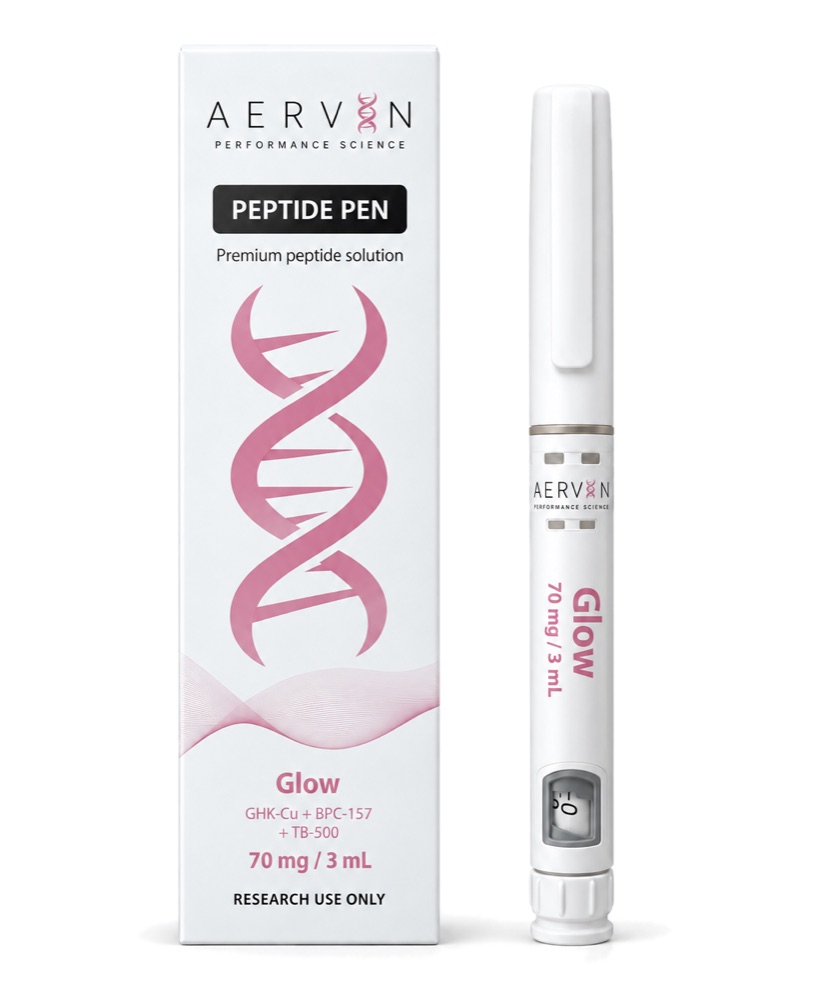
Blend pen
Glow
GHK-Cu + BPC-157 + TB-500 · 70 mg / 3 mL
BPC-157 with GHK-Cu and TB-500
£295 · In stock
- Class
- Synthetic 15-amino-acid peptide (gastric-juice derived)
- Human trials
- None published; phase 1 and phase 2 results never released
- Regulatory status
- Not authorised anywhere; US compounding review ongoing
- Anti-doping
- Prohibited at all times (WADA S0)
- Typical sale form
- Unregulated injectable vials and oral capsules
01 Overview
What BPC-157 is
Summary
BPC-157 is a synthetic 15-amino-acid peptide based on a partial sequence of a protein found in human gastric juice. A single research group in Zagreb has published hundreds of rodent studies reporting faster healing of tendon, ligament, muscle, bone, gut and blood-vessel injuries. No randomised human efficacy trial has ever been published, it is not authorised as a medicine anywhere, and it is prohibited in sport.
Mechanism
In animal models BPC-157 appears to promote blood-vessel formation (angiogenesis via VEGFR2 signalling), modulate the nitric-oxide system, increase growth-hormone receptor expression in tendon cells and stabilise the gut lining. Whether any of this happens in humans at the doses sold online is unknown.
02 Evidence by goal
What has been shown, for which goal
Grades follow one scale across the site. Insufficient overall means: no reliable human evidence for this use — animal or laboratory data only.
Injury & recovery support
InsufficientRat models of Achilles tendon, medial collateral ligament and muscle-crush injury show faster healing; there are no controlled human trials. A retrospective series of 16 intra-articular knee injections and case reports are the only human data.
Muscle & recovery
InsufficientClaims of faster recovery from training rest entirely on rodent muscle-injury models; no human study has measured strength, soreness or recovery time.
General wellbeing
InsufficientMarketed for gut health, mood and 'systemic repair'. Rodent studies of NSAID-induced gut damage and colitis exist; a Croatian phase 2 ulcerative-colitis trial was completed in the early 2000s but its results were never published.
03 Regulatory status
Where it is authorised, and for what
Status is recorded per jurisdiction from regulator sources and reviewed by hand. It is never inferred from another region's decision.
United Kingdom
Not authorisedNo marketing authorisation; sold online as a 'research chemical'.
No MHRA-licensed medicine contains BPC-157 and it cannot legally be sold or advertised for human use. Products labelled 'not for human consumption' fall outside medicines quality controls, so identity, purity and sterility are unverified.
04 Dosing research
What the evidence says about exposure
Published human studies and the doses, routes and durations they used — reported as research information, not a recommendation.
Research information — not a recommendation. These are the exposures used in published human studies, reported so you can see what has been tested. They are not dosing instructions and do not apply to any individual.
No studies recorded
No published human dosing studies
There are no published human dose-finding or efficacy studies. A placebo-controlled phase 1 study of a rectal formulation in 32 healthy men (Pliva, early 2000s) and a 2015 oral phase 1 study in 42 volunteers (NCT02637284) were never published in full; a Croatian phase 2 ulcerative-colitis trial has no public results. Published human data are limited to a two-person intravenous pilot (2025), a 12-person uncontrolled bladder-instillation pilot and a retrospective knee-injection series. The 'protocols' quoted by vendors (typically 200–500 mcg per day) are extrapolated from rodent mg/kg doses and are not evidence of safety or efficacy in people.
05 Safety
Adverse effects and contraindications
Common effects seen in trials or reports, serious effects that warrant urgent review, and conditions under which use is not appropriate or needs assessment.
Common adverse effects
- Not systematically studied in humans
- Injection-site pain, redness or bruising (user reports)
- Nausea (user reports)
- Dizziness or light-headedness (user reports)
- Fatigue or headache (user reports)
Serious adverse effects
- Unknown — no controlled human safety data
- Theoretical stimulation of tumour blood supply (angiogenic activity in animals)
- Immune reactions to the peptide or to impurities (FDA-identified risk for injected use)
- Infection or abscess from non-sterile injectable products
- Unpredictable effects from mislabelled or contaminated vials
Contraindications
- CancerCaution
BPC-157 promotes new blood-vessel growth and growth-factor signalling in animal models. Whether this could affect an existing or previous tumour is unknown, so any cancer history needs specialist review.
- Blood-clotting disorderCaution
Animal studies report effects on blood vessels, platelets and the nitric-oxide system in both directions; there are no human data on bleeding or clotting risk.
- Gastrointestinal diseaseCaution
Marketed heavily for gut conditions, but no human trial in inflammatory bowel disease has been published; symptoms attributed to a diagnosed condition should be assessed rather than self-treated.
- Autoimmune conditionCaution
The FDA has flagged an immunogenicity risk for injected BPC-157; effects in people with autoimmune disease or on immune-modifying treatment are unknown.
Do not use = should not be used · Caution = needs assessment
06 Interactions
Medicine classes that need review
Grouped by how seriously the combination should be taken. Class labels match the medicines questionnaire in the assessment.
- Major
- Moderate
- Minor
Moderate
Monitoring or dose review is usually advised.
Anticoagulant (blood thinner)
Warfarin, apixaban, rivaroxaban
Interactions are entirely unstudied in humans. Because BPC-157 alters vascular and platelet biology in animals, combining it with a blood thinner should not be assumed safe.
Antiplatelet
Aspirin (low dose), clopidogrel
As for anticoagulants: no human data, and animal studies show effects on platelet function.
Cancer treatment
Chemotherapy, hormone therapy, immunotherapy
A pro-angiogenic peptide could in theory counteract anti-angiogenic cancer treatments; nobody has tested this. Any cancer treatment should be disclosed to the treating oncologist.
07 Pregnancy & breastfeeding
Status in pregnancy
No human or formal animal reproductive-toxicity data exist. An unlicensed peptide of unknown purity is not something to use while pregnant, trying to conceive or breastfeeding.
08 Monitoring
What is usually monitored
Parameters that trials and product information track. A clinician decides what applies to an individual.
- 01Injection sites for infection or persistent reactions
- 02Any new or changing lump, mole or unexplained symptom, given the angiogenic mechanism
- 03Bleeding or bruising if combined with any blood thinner
- 04Whether the underlying injury has been properly diagnosed and imaged
- 05Anti-doping status if you compete in tested sport (prohibited at all times under S0)
09 Combinations
What is known about combining it
Notes on pairing with other compounds in the directory: whether the combination has been studied in people, and where mechanisms overlap.
TB-500
No human studies
Overlap · Both are marketed as tissue-repair peptides acting through angiogenesis and cell migration.
The most commonly co-marketed 'healing stack'. There are no human data for either peptide alone, let alone together; combining two angiogenic agents of unknown purity compounds the uncertainty rather than the benefit.
CJC-1295
No human studies
No human studies of BPC-157 combined with growth-hormone secretagogues; both are WADA-prohibited.
Ipamorelin
No human studies
No human studies of BPC-157 combined with growth-hormone secretagogues; both are WADA-prohibited.
Semaglutide
No human studies
Sometimes promoted to 'protect the gut' during GLP-1 treatment. No human data; gastrointestinal symptoms on semaglutide should be managed with the prescriber.
Tirzepatide
No human studies
No human data on this combination; gastrointestinal effects of tirzepatide should be managed with the prescriber rather than with an unlicensed peptide.
GHK-Cu
No human studies
No human data. Both are promoted for repair and both show angiogenic activity in laboratory models.
KPV
No human studies
Overlap · Both carry anti-inflammatory and repair claims derived from animal models.
Blended together in the Klow pen. No human data on the combination; neither has published human efficacy trials.
NAD+
No human studies
Marketed together in 'recovery' stacks. No human data on the combination, and neither has controlled human efficacy data for recovery.
Discuss any proposed combination with a qualified healthcare professional.
10 Source considerations
Supply, quality and legitimacy
How the compound reaches people in practice, and what that means for product quality.
- 01There is no pharmaceutical-grade, authorised BPC-157 product anywhere; every vial or capsule comes from an unregulated supply chain with no GMP assurance.
- 02Independent testing of 'research' peptides has repeatedly found under-dosing, wrong peptides, bacterial endotoxin and heavy-metal contamination; a certificate of analysis supplied by the seller is not independent verification.
- 03The FDA's 2023 safety listing cited immunogenicity risk, peptide-related impurities and poorly characterised active ingredient — problems that apply directly to grey-market products.
- 04Oral capsules are marketed on the basis that BPC-157 is 'stable in gastric juice'; whether meaningful amounts are absorbed in humans has never been shown.
11 Questions for your clinician
Take these to your appointment
Specific to this compound. The personal assessment adds questions drawn from your own history and medicines.
- 01Has my injury been properly diagnosed, and what does the evidence-based rehabilitation pathway look like?
- 02Given that there are no published human trials, what would you need to see before considering this reasonable?
- 03Does my medical history — especially any cancer, clotting or autoimmune condition — make an angiogenic peptide a particular concern?
- 04If I have already used BPC-157, are there any checks you would recommend?
- 05Are there authorised treatments or supplements with actual human evidence for my goal?
The personal assessment tailors this list to your responses.
12 Alternatives
Compounds with stronger evidence or firmer regulatory footing
Listed for overlapping goals. Whether any is appropriate depends on your history — the assessment maps that for you.
13 References
Sources behind this record
Regulator documents and peer-reviewed publications used to derive every grade and statement above.
- 01FDA — Certain bulk drug substances for use in compounding that may present significant safety risks (BPC-157 entry)
- 02FDA — Bulk drug substances nominated for use in compounding under section 503A (categories, updated May 2026)
- 03Regeneration or Risk? A narrative review of BPC-157 for musculoskeletal healing (2025)
- 04ClinicalTrials.gov NCT02637284 — PCO-02 (oral BPC-157) phase 1 safety and pharmacokinetics (no results posted)
- 05USADA — BPC-157: experimental peptide creates risk for athletes
- 06WADA Prohibited List 2025 (S0 non-approved substances)
The Peptide Checkup provides educational information and a structured summary of published research and regulatory status. It is not medical advice, does not diagnose or treat any condition, and does not replace a consultation with a qualified healthcare professional.
Personal assessment
Check BPC-157 against your history
Seven minutes of structured questions about your goal, history and medicines, mapped against this record by a deterministic, clinician-reviewable rules engine. The report tells you when not to buy.